World Rabies Day 2021.
What is Rabies?
It is a disease that is transmitted from animals to humans and is also known as a zoonotic disease. It is caused by the rabies virus, of the Lyssavirus genus, within the family Rhabdoviridae. The most common reservoir of the virus is the domestic dog with more than 99% of human deaths caused by dog-mediated rabies.
World Rabies Day 2021: Theme

The World Rabies Day 2021 theme is not decided yet. The theme for the year 2020 was “End Rabies: Collaborate, Vaccinate”.
The theme for World Rabies Day 2020 is “End Rabies: Collaborate, Vaccinate”. The theme focuses and reminds about the key current issues in rabies elimination namely the goal of Zero by 30, the importance of dog vaccination and post-exposure prophylaxis, and the need for a united effort towards achieving elimination of this transboundary disease.
World Rabies Day: History
28 September marks the anniversary of Louis Pasteur's death, the French chemist and microbiologist, who developed the first rabies vaccine. In 2007, the first World Rabies Day (ERD) was organised by the two founding partners namely Alliance for Rabies Control (ARC) and the Centre for Disease Control and Prevention, Atlanta (CDC).
Symptoms of Rabies
In the United States, animals that transmit rabies are bats, foxes, raccoons, and skunks. In some developing countries of Africa and Southeast Asia, stray dogs are the most likely to spread rabies to people. If a person is showing signs and symptoms of rabies, the disease nearly always causes death. Therefore, a person who is at risk of contracting rabies should take rabies vaccinations for protection. The first symptoms of rabies may be similar to flu and may last for a few days.
- Fever
- Headache
- Nausea
- Vomiting
- Anxiety
- Confusion
- Hyperactivity
- Difficulty swallowing
- Excessive salivation
- Hallucinations
- Insomnia
- Partial paralysis
- Fear brought on by attempts to drink fluids because of difficulty swallowing water, etc.
Therefore, it is necessary to take immediate medical care if you are beaten by any animal or exposed to an animal suspected of having rabies.
How is rabies caused?
It is caused by the rabies virus and spread via the saliva of infected animals. The infected animal can spread the virus by biting another animal or a person. in certain rare cases, rabies can spread when infected saliva gets into an open wound or the mucous membranes like the mouth or eyes. This can occur if an infected animal were to lick at an open cut on your skin.
Some of the animals that can transmit rabies virus are:
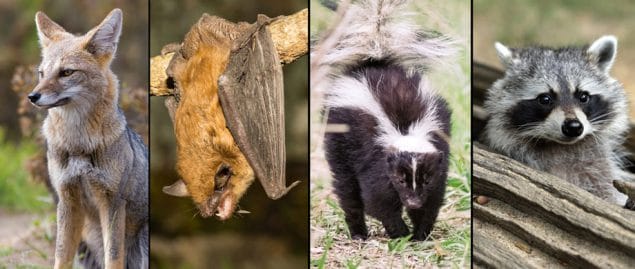
It is said that any mammal can transmit the rabies virus. Some of the animals that can transmit the rabies virus are cats, cows, Dogs, Ferrets, Goats, Horses, and wild animals are Bats, Beavers, Coyotes, Foxes, Monkeys, Raccoons, Skunks, etc.
Some interesting facts about
Rabies
- Several European countries dealt with their rabies problem by air-dropping vaccinated chicken heads for wild foxes to eat.
- The only way Louis Pasteur was able to study rabies was to keep a supply of infected animals in the laboratory. His assistants routinely pinned down rabid dogs and collected vials of their foamy saliva and were under orders to shoot anyone that was bitten by the animals in the head.
- Nearly all vultures in India have died due to eating corpses of animals recently treated with the drug diclofenac. In a butterfly effect, there is now a major rabies problem, with an annual cost of US$26 billion per year.
- In 2004 a 15-year-old girl was bitten by a bat she picked up. After showing signs of rabies a month later, doctors devised a last-ditch experimental treatment that cured her. She is the first known person to have survived after showing rabies symptoms.
- In 2006, China slaughtered 50,000 dogs after three people died of rabies. Dogs being walked were seized from their owners and beaten to death on the spot. Owners were offered 63 cents per animal to kill their own dogs before the beating teams were sent in.
- Despite their reputation, it is actually extremely rare for an opossum to have rabies because their body temperature is too low for rabies to survive and replicate well.
- Rabies causes hydrophobia, where just the thought of drinking water or seeing water, causes intense clench throat spasms, so the victim cannot swallow the frothy saliva forming in their mouth. The foam is infected heavily with the live virus which increases disease transmission through biting.
- A major cause of human rabies deaths in India is faith healing as people believe that they’ve been impregnated by puppies after being bitten by a dog and consult a healer instead of a doctor before it’s too late. This mass hysteria is called Puppy pregnancy syndrome.
- Ontario has a massive “border wall” of edible rabies vaccine baits to prevent rabid animals from entering the U.S. The recent outbreak of rabies came from a raccoon from southeastern NY who came via truck or train.
- A rabid bat can bite you while you are asleep, without you even realizing it. If you ever awaken and find a bat in your room, you should get a rabies shot immediately.
- World Rabies Day exists and it aims to educate the public about the danger of rabies. It’s on September 28, Louis Pasteur’s deathday, because he helped develop the first vaccine for it in 1885.
- Australia and New Zealand have never had rabies.
- Rabies is not only mentioned in Homer’s writings, but it’s also the most likely origin of vampire and zombie folklore.
- There are 2 kinds of rabies. The stereotypical kind (foaming at the mouth, aggressive, sporadic movement) but there’s also what’s known as “drunken” rabies where the animal appears intoxicated (can’t walk straight, confused, docile, lick or bite their front paws).
Thanks for Reading. Please comment me if you like my blog please share with your family member and friends.
Please join us
Twitter:- @VivekCh21231874
linked in:- https://www.linkedin.com/in/vivek-chaturvedi-a222781b3
Koo :-https://www.kooapp.com/profile/vivek_chaturvediCT3JV
Quora space:- blogshareyouridea.quora.com


Comments